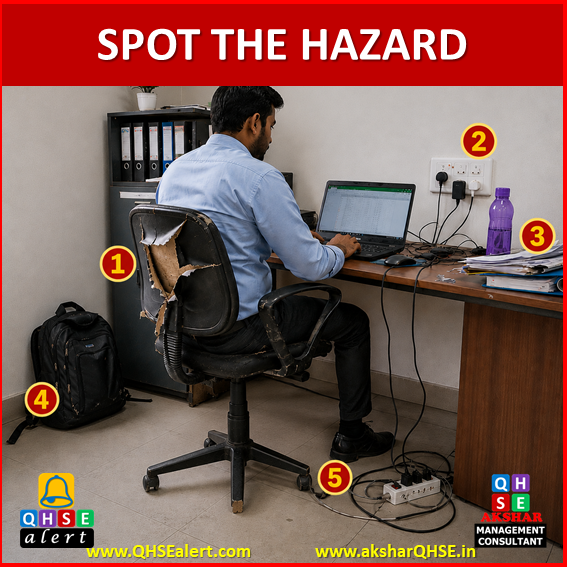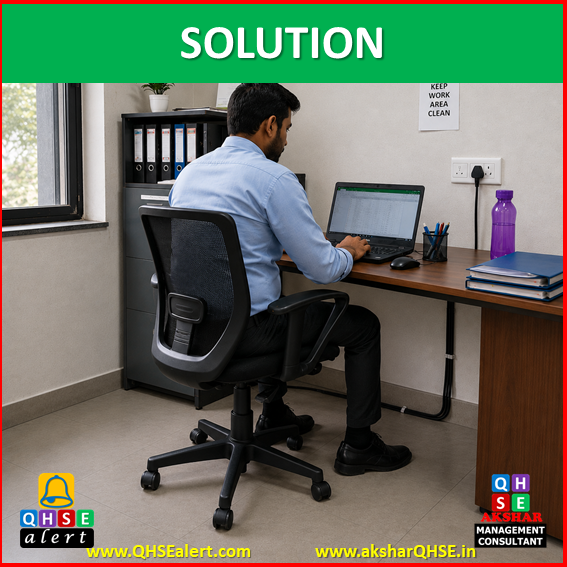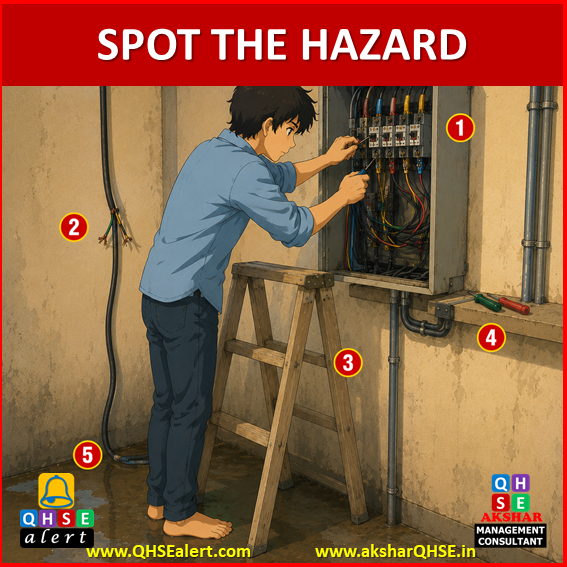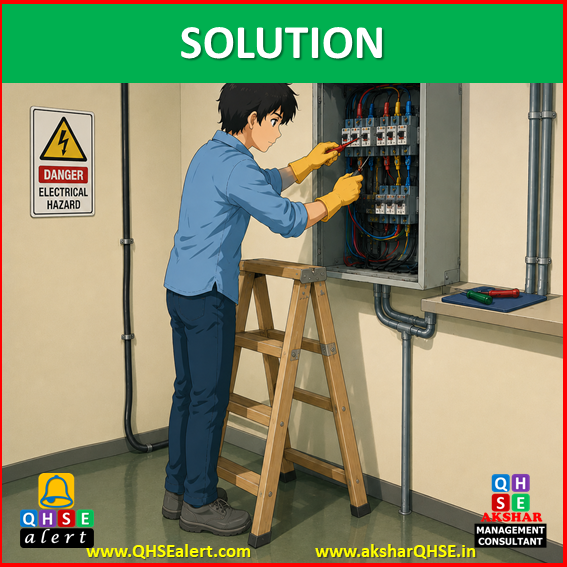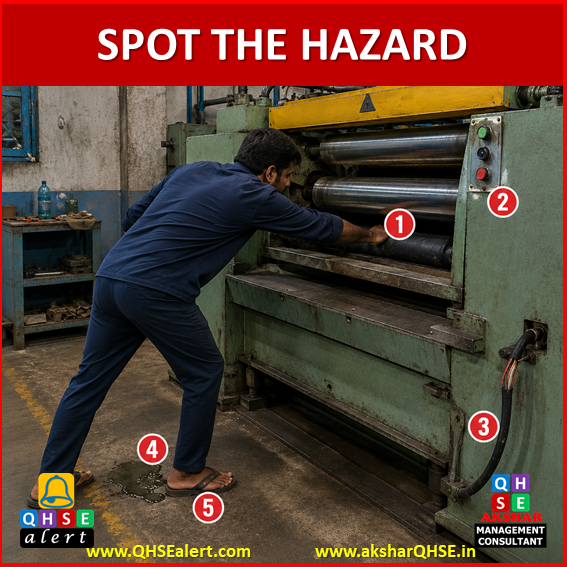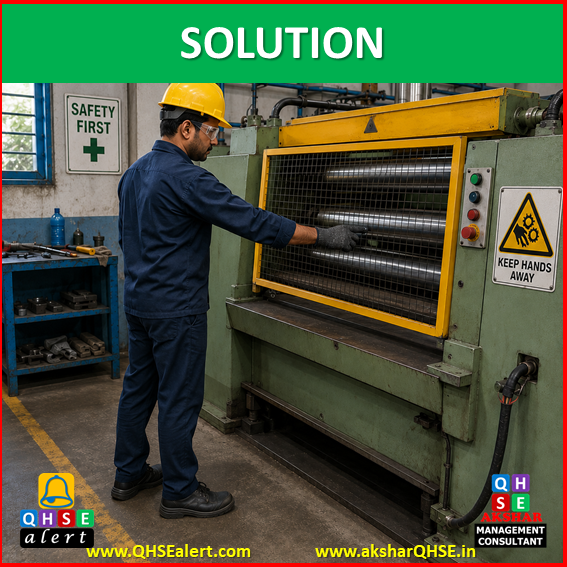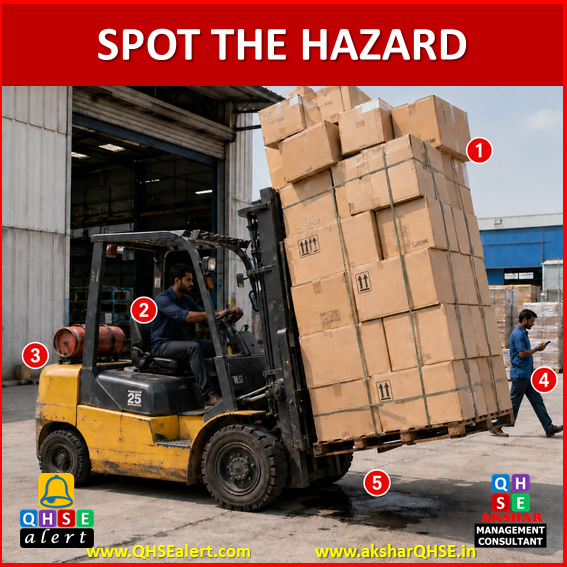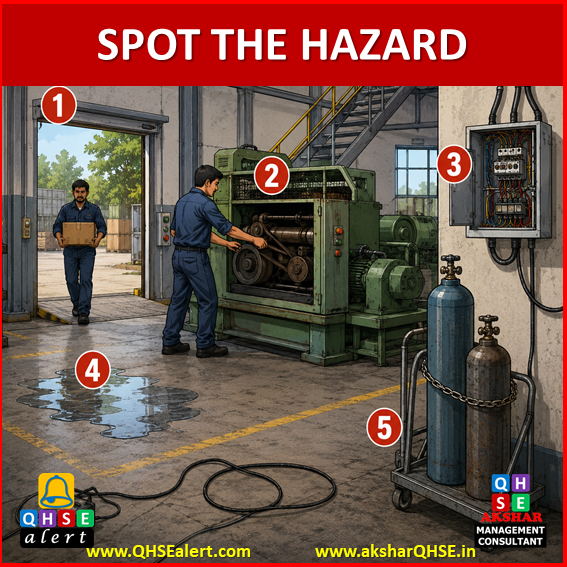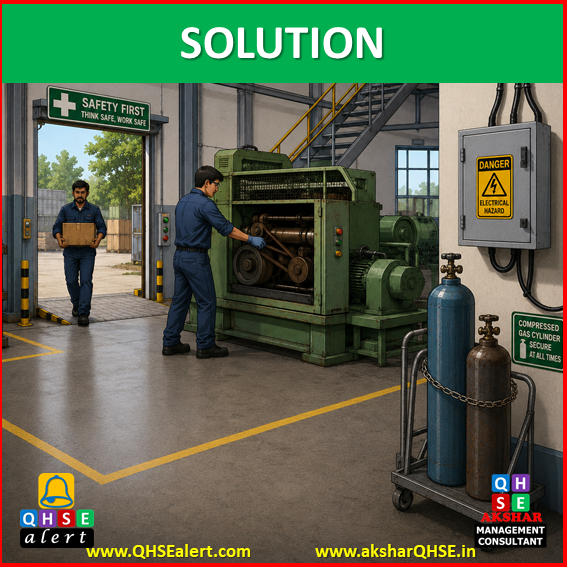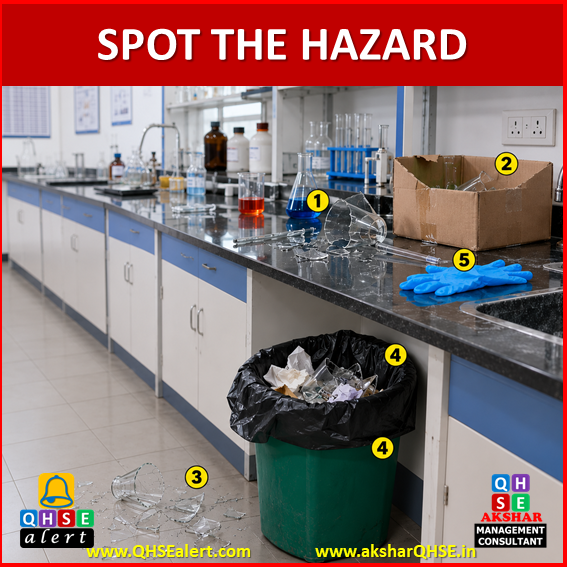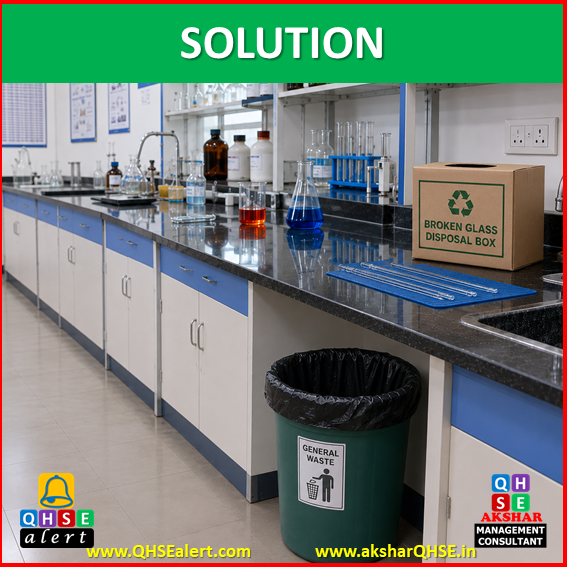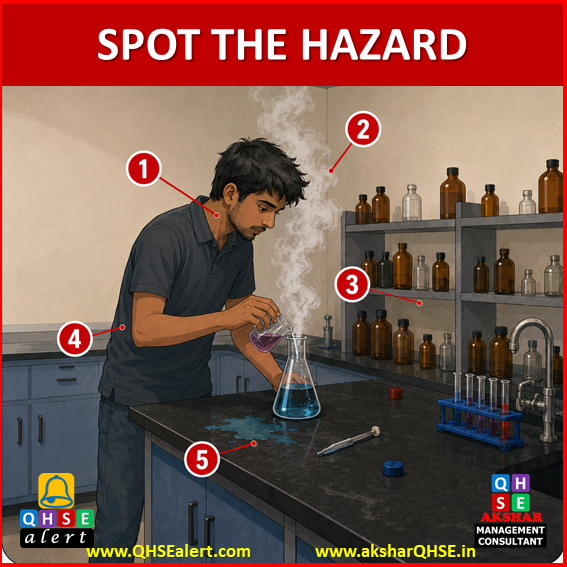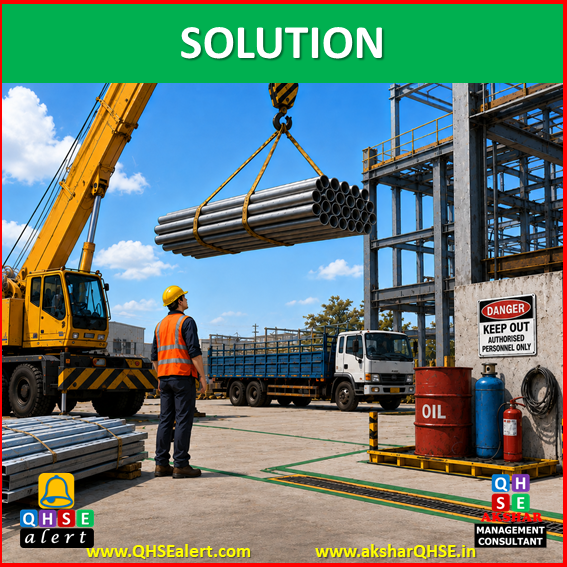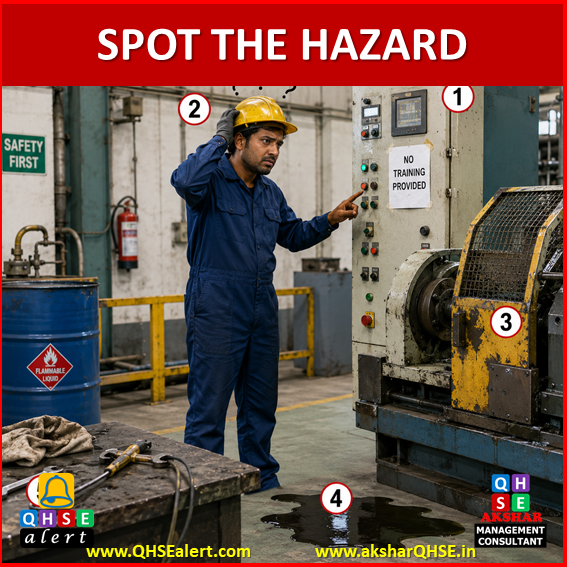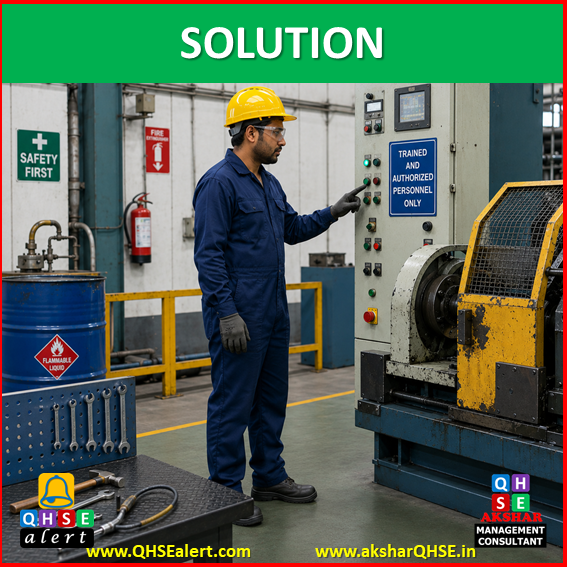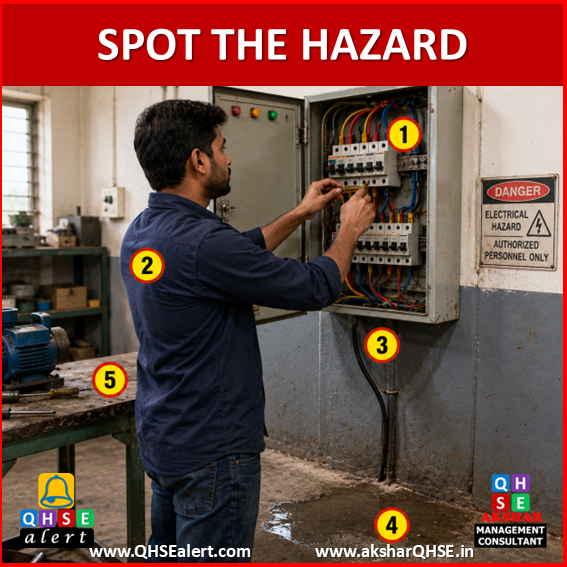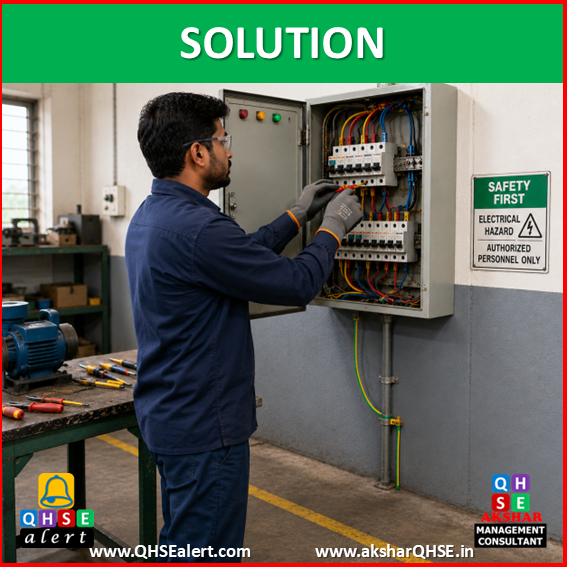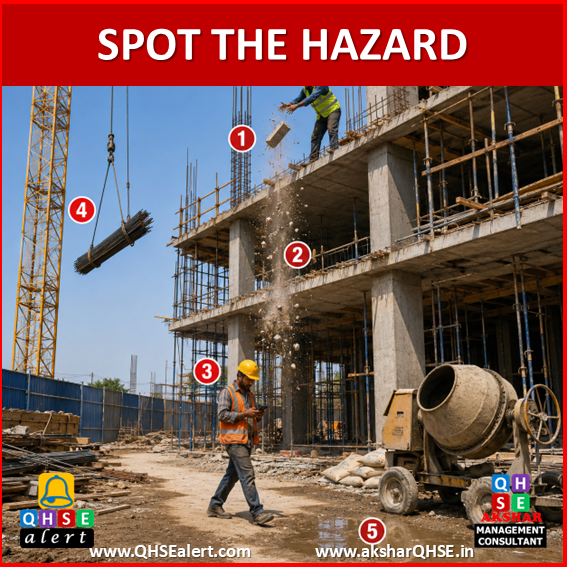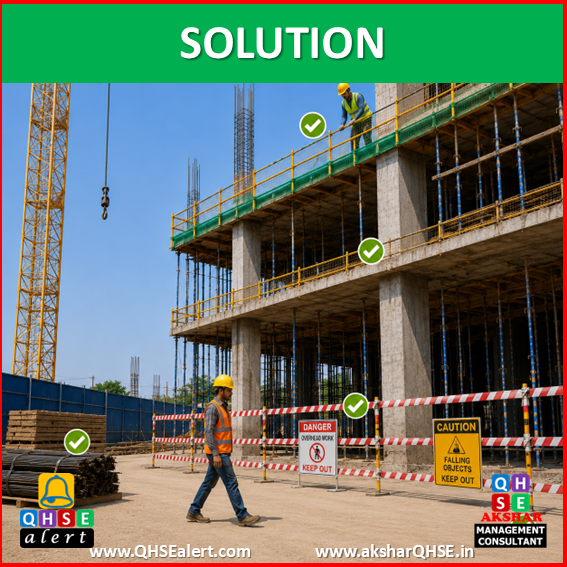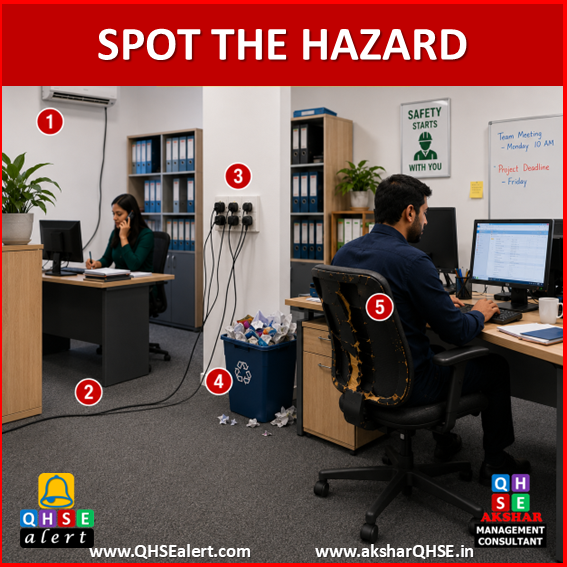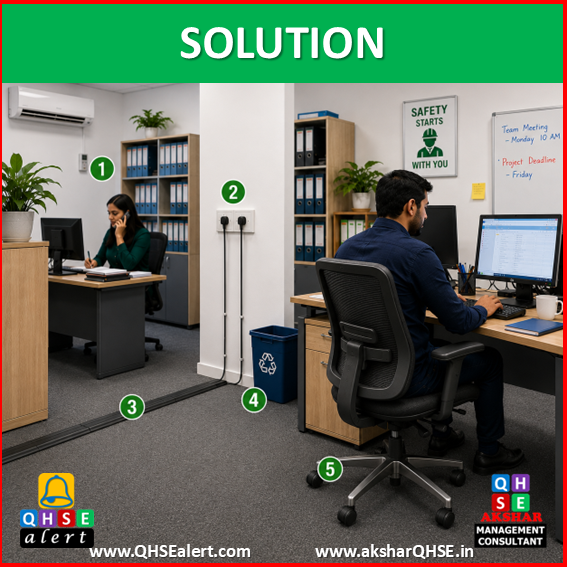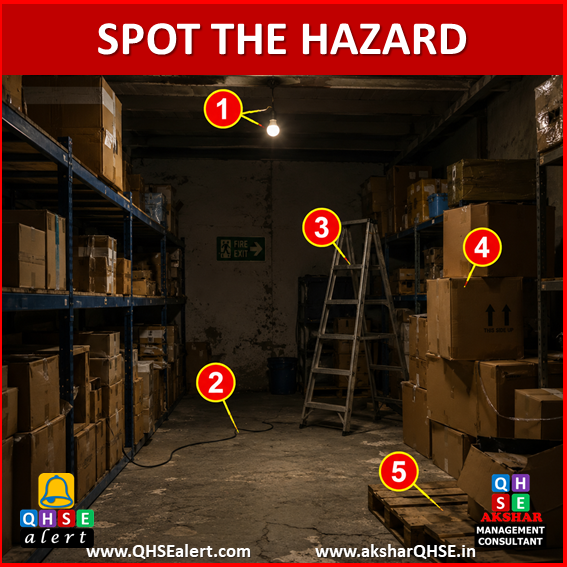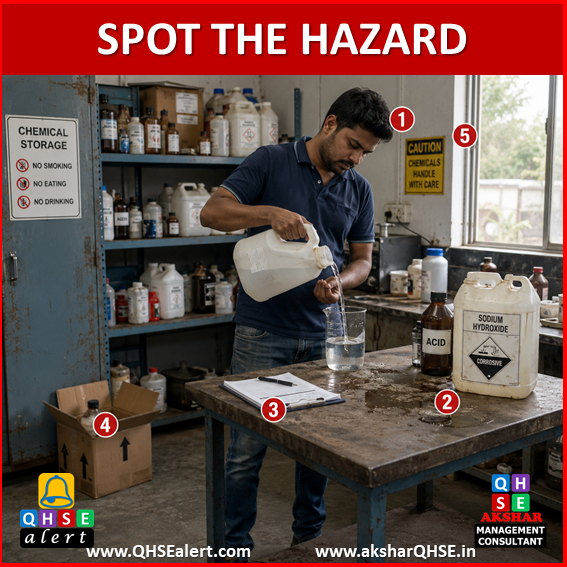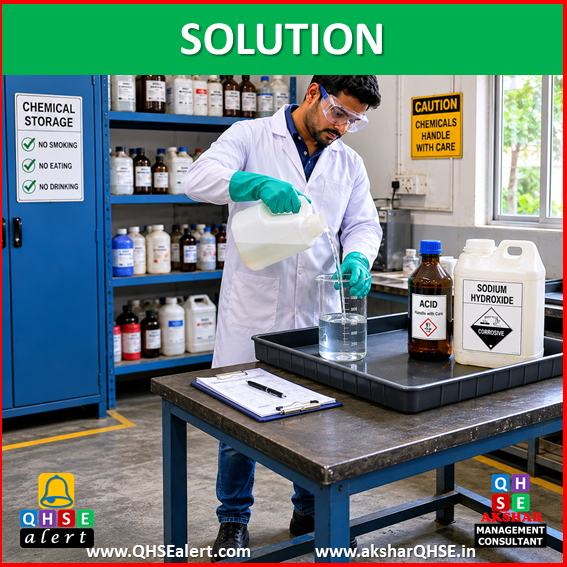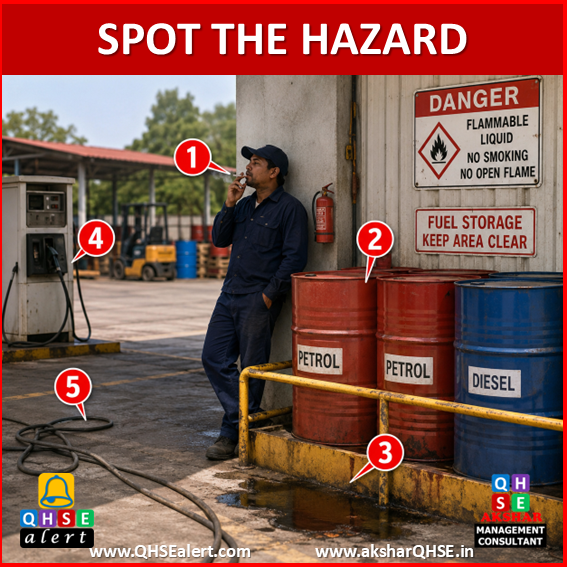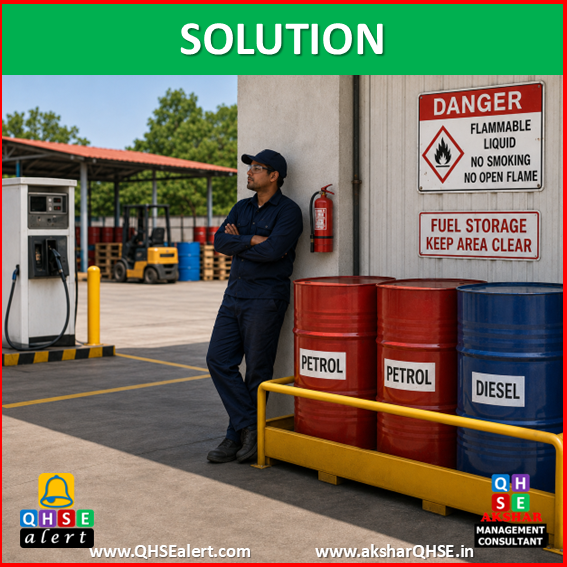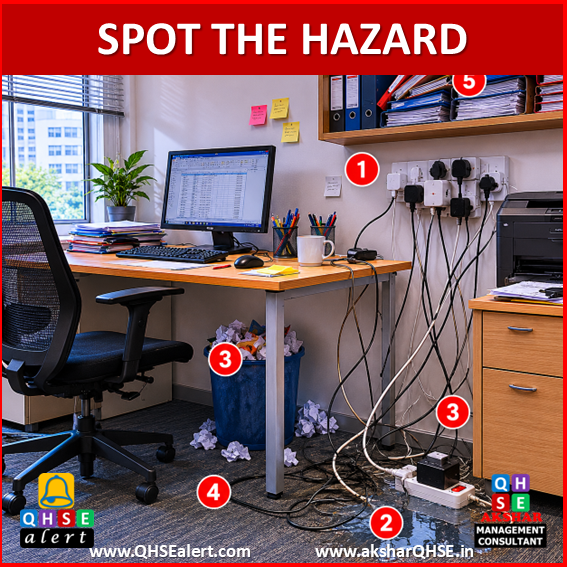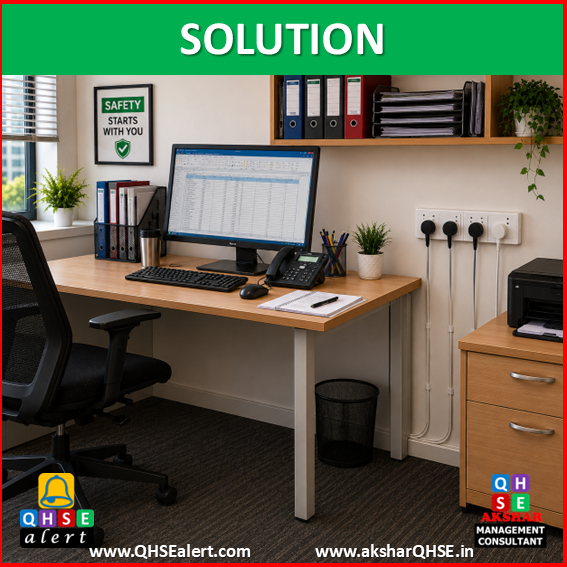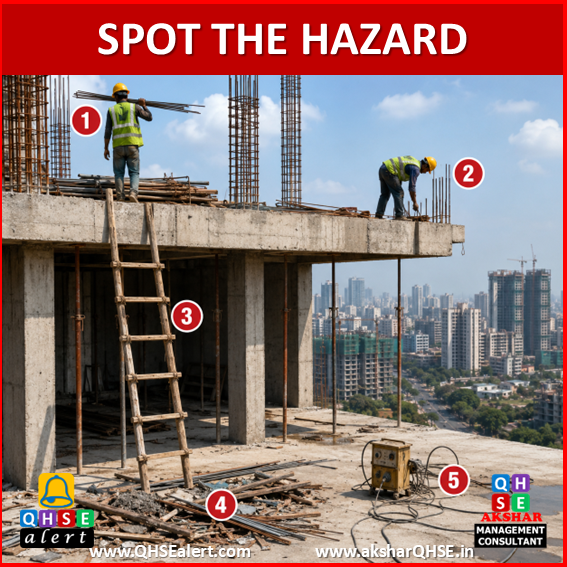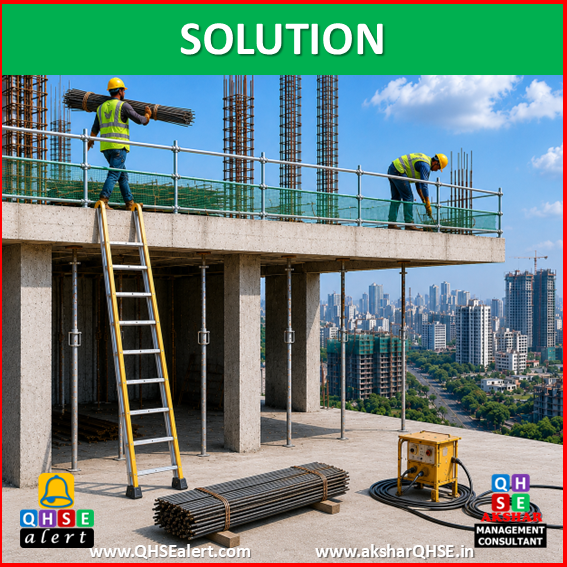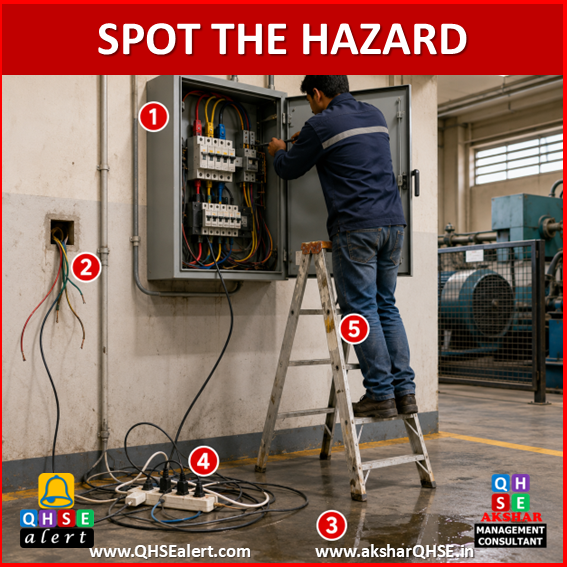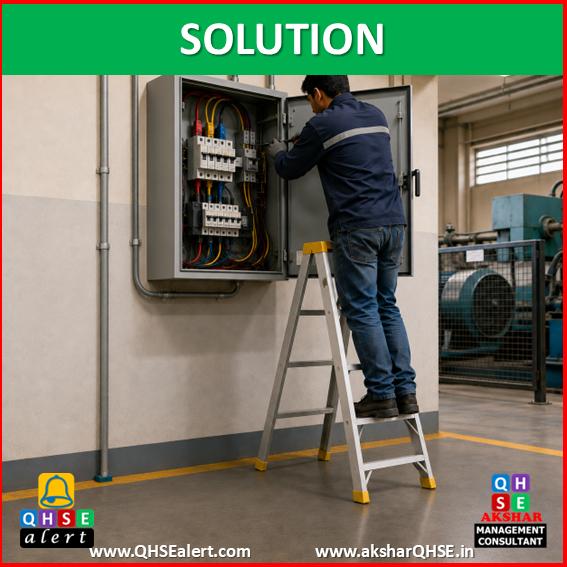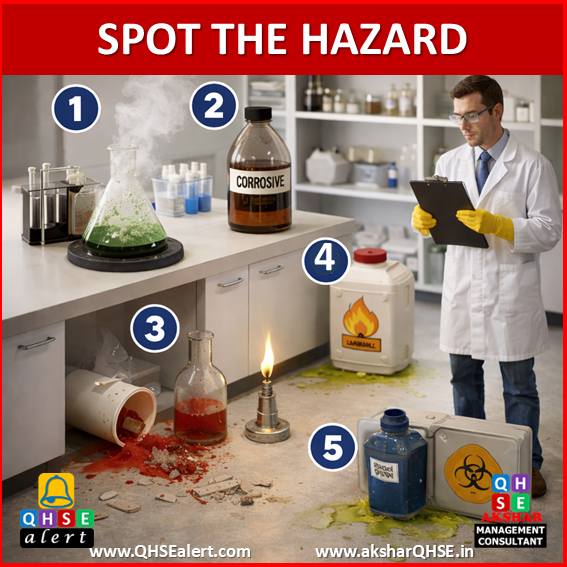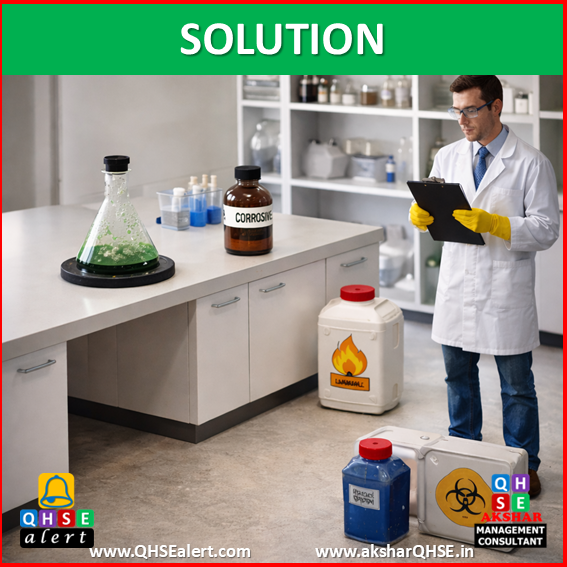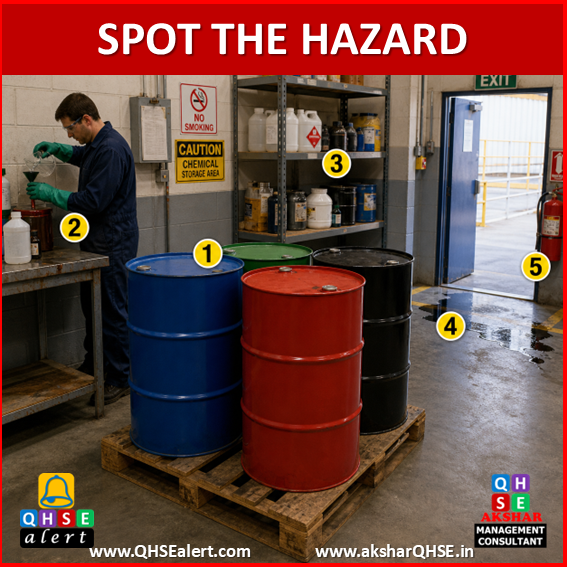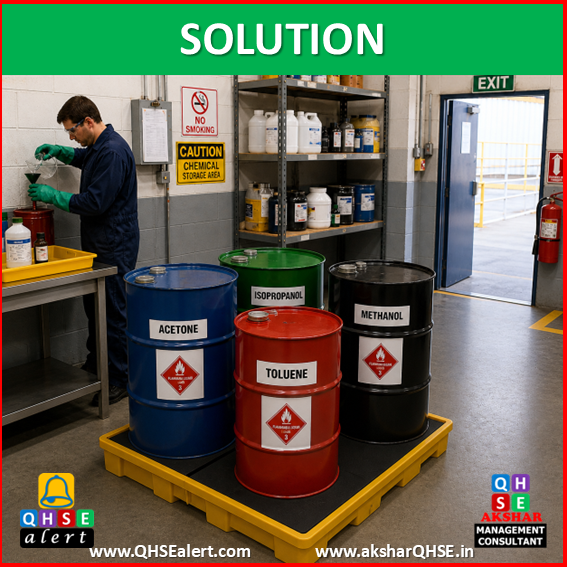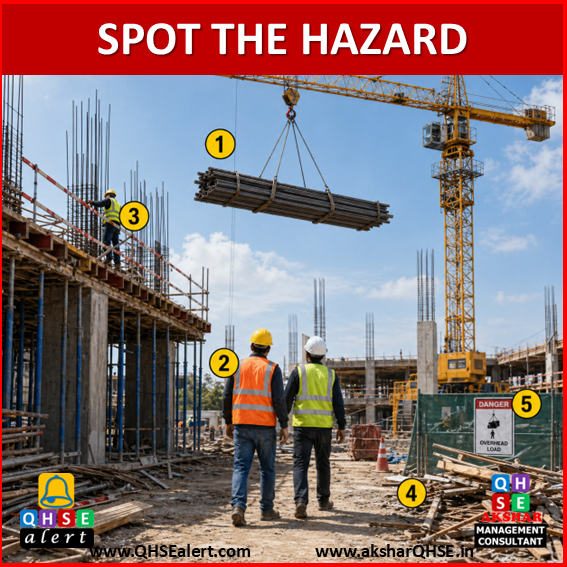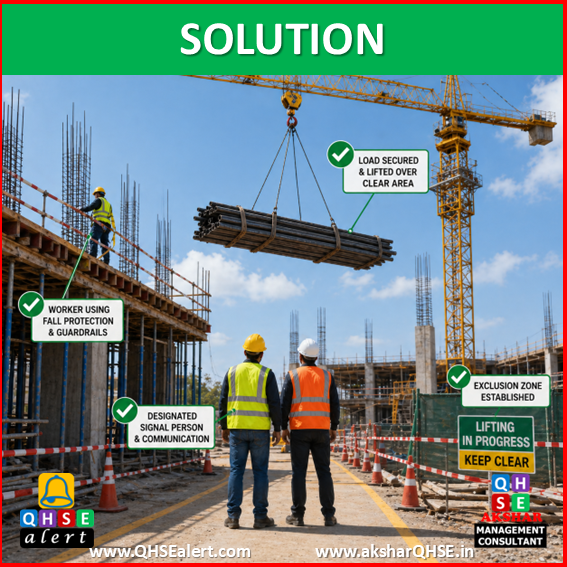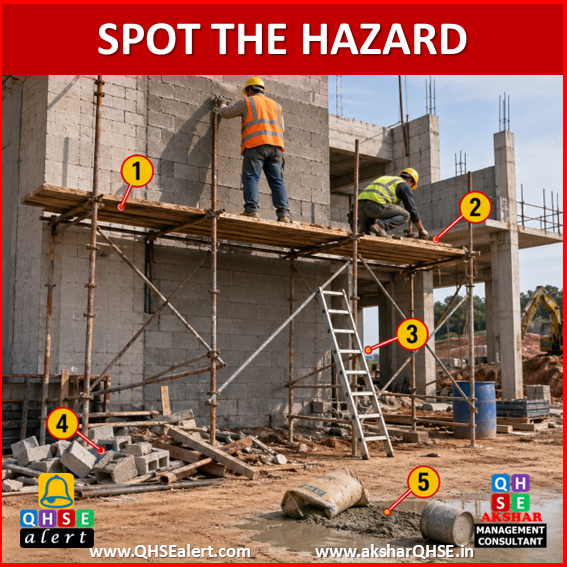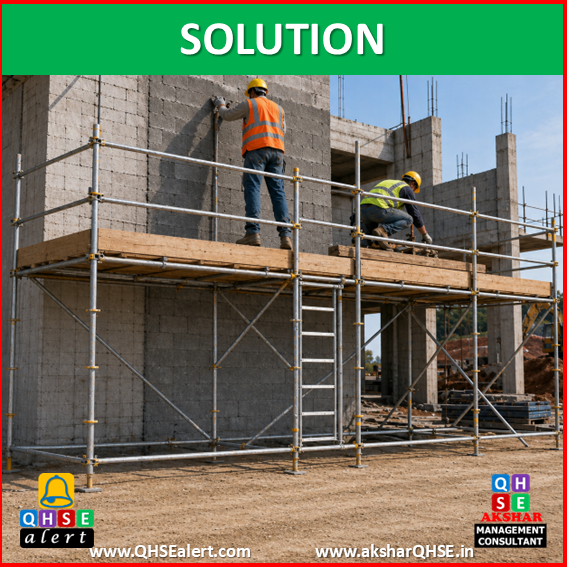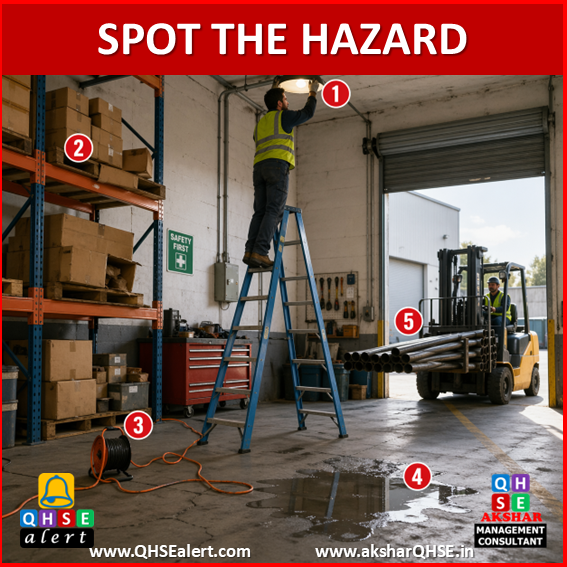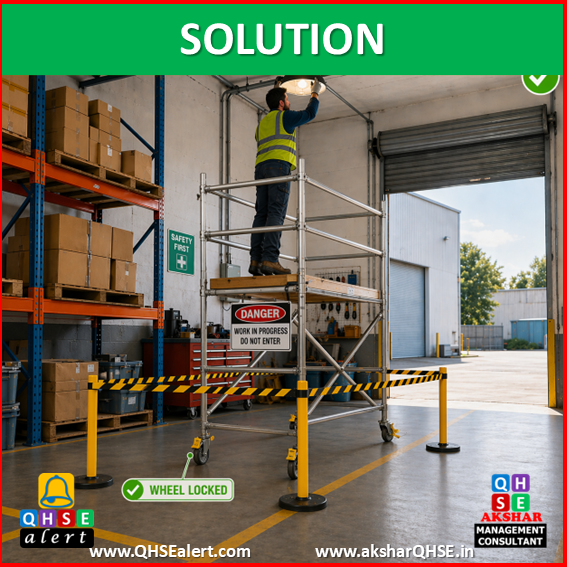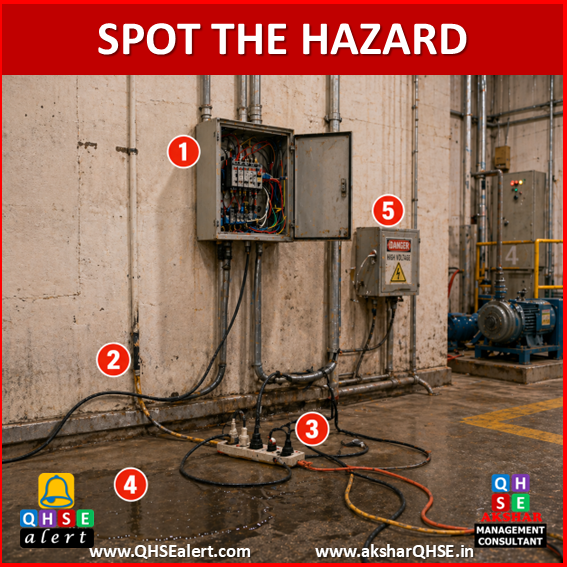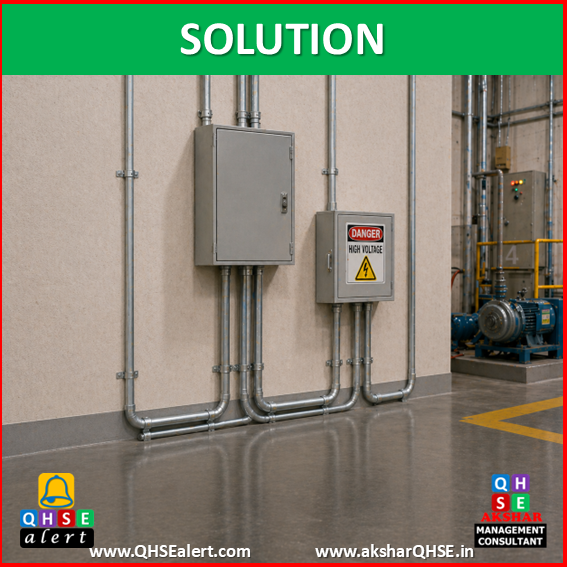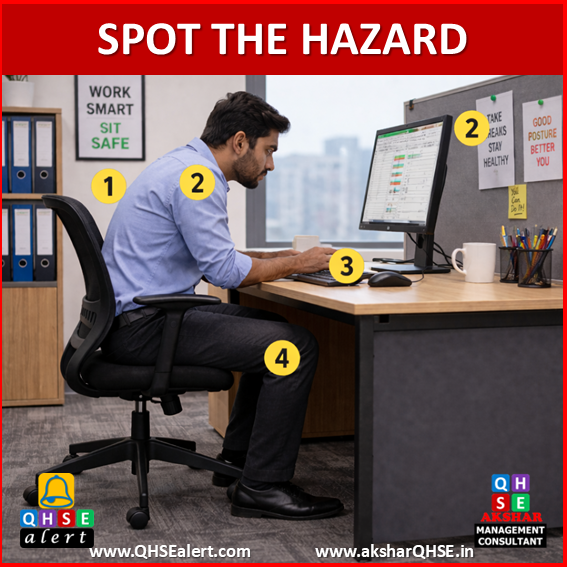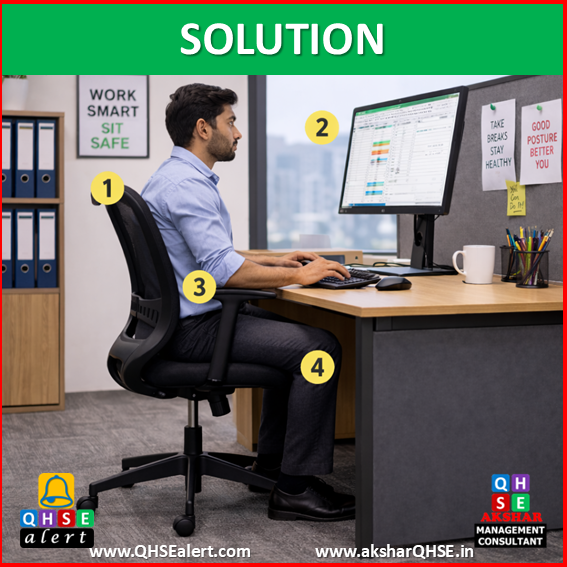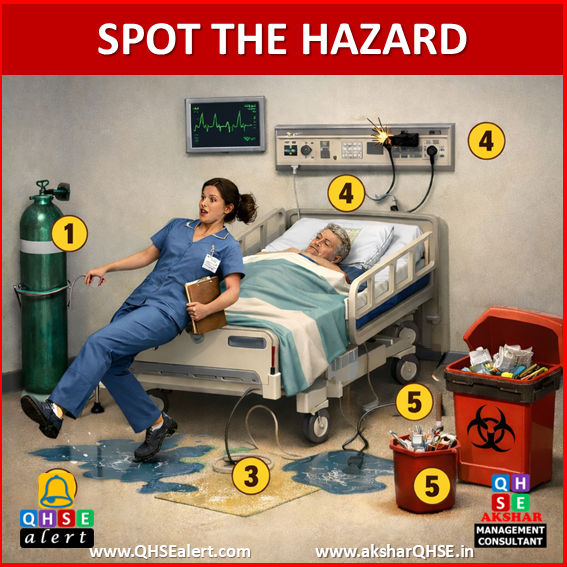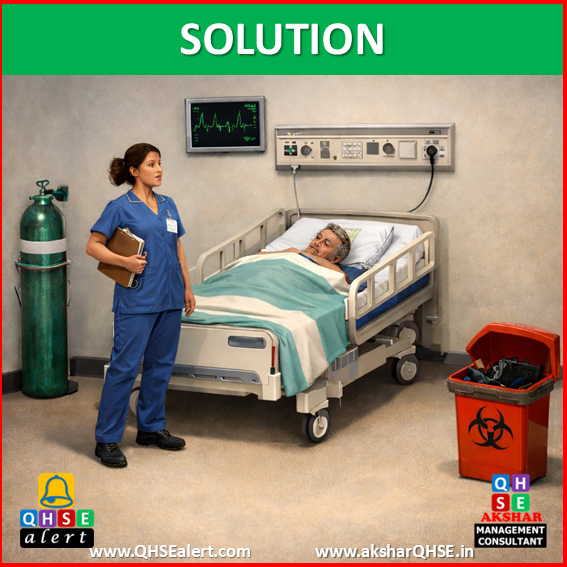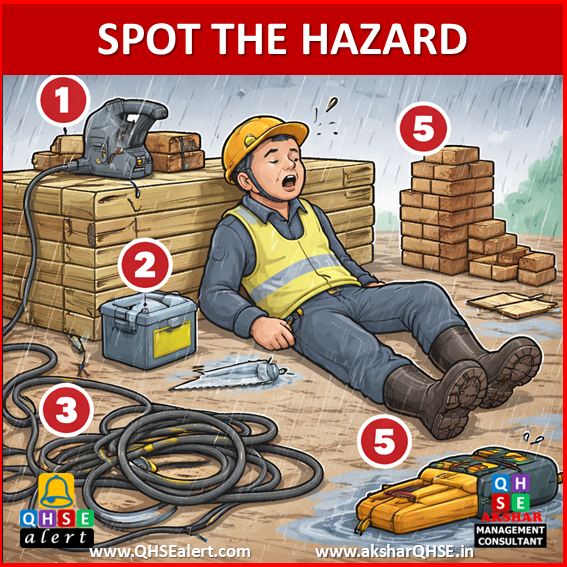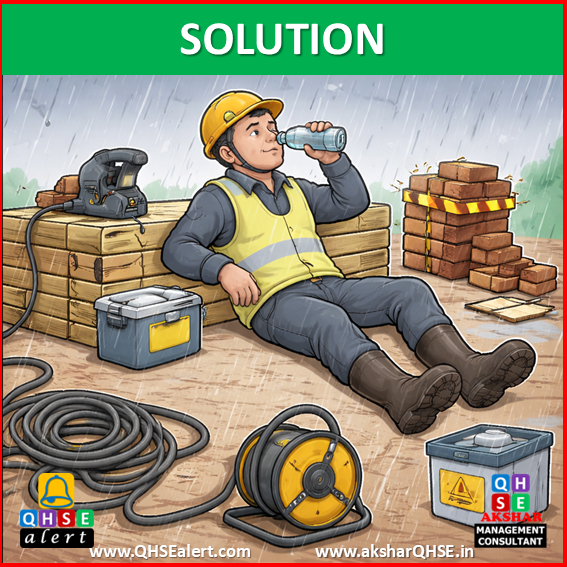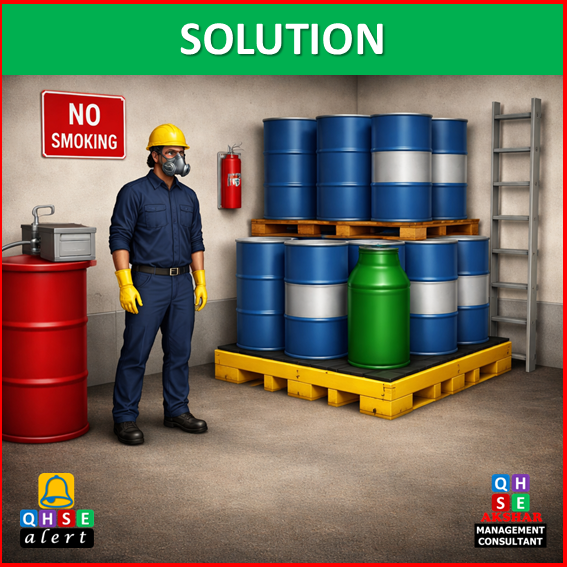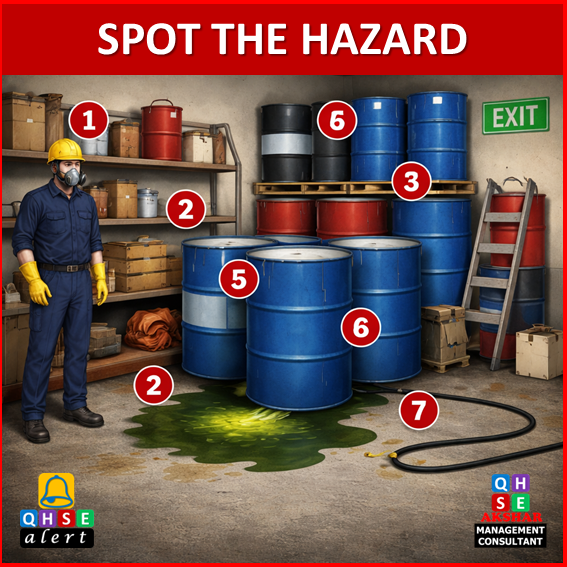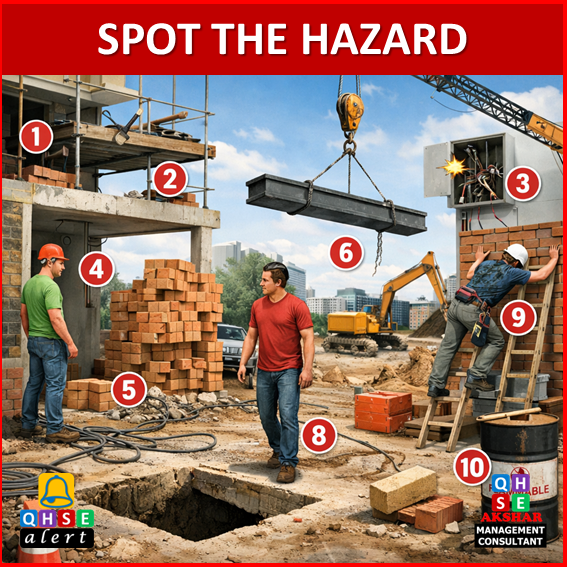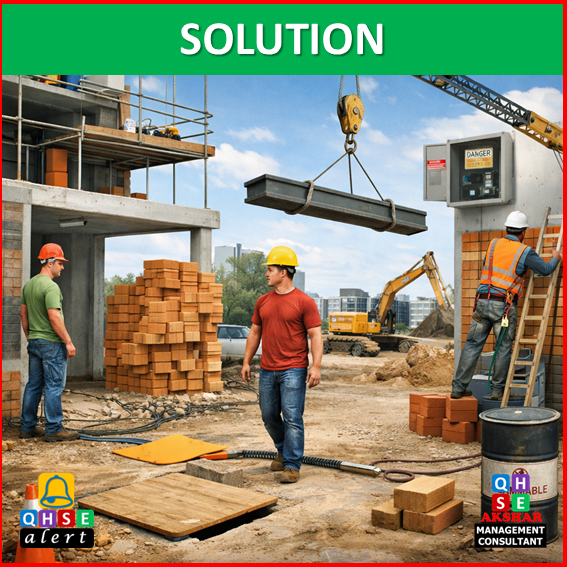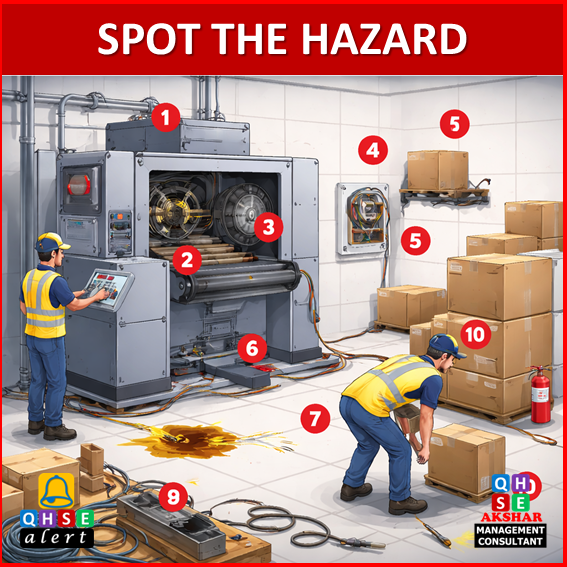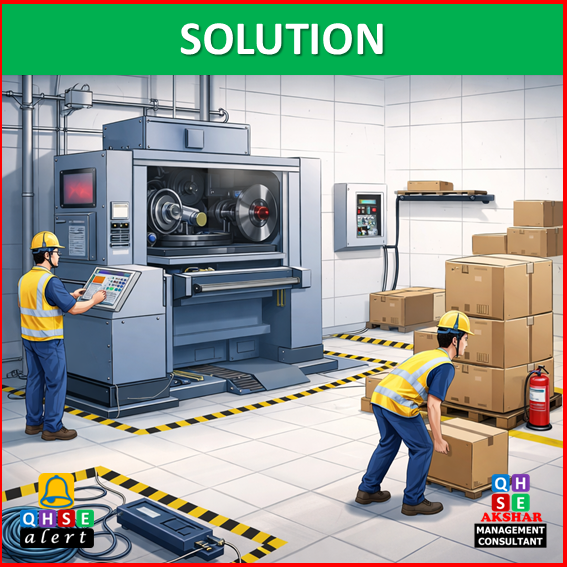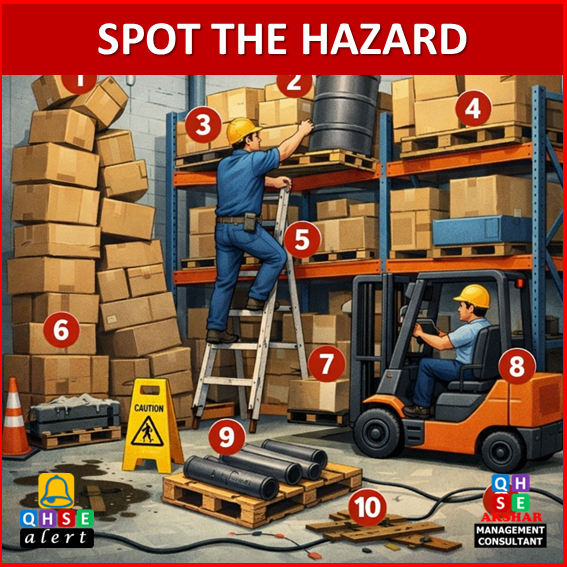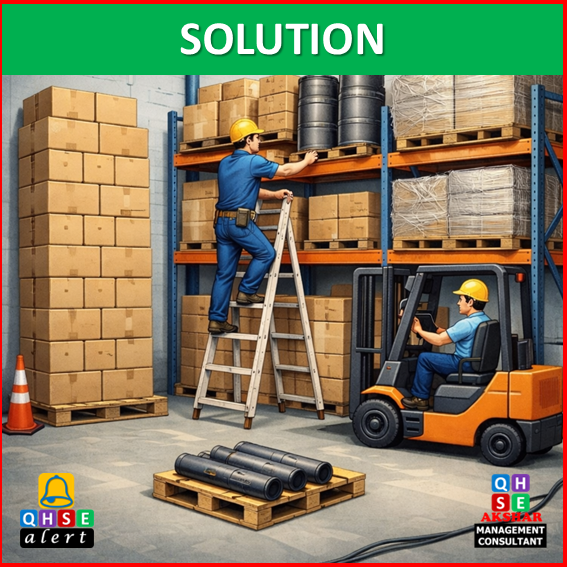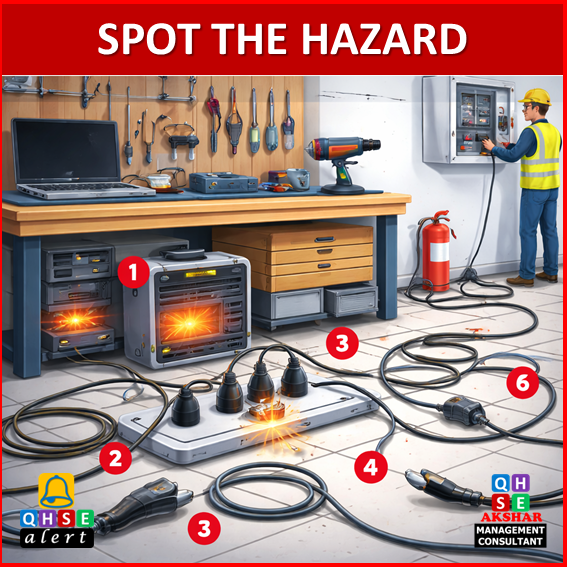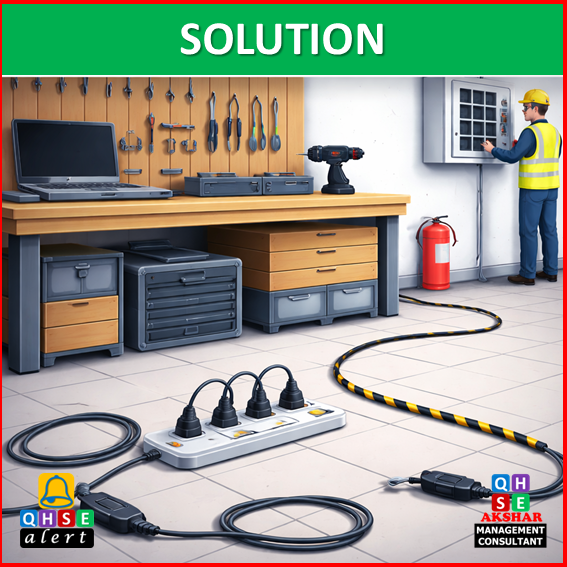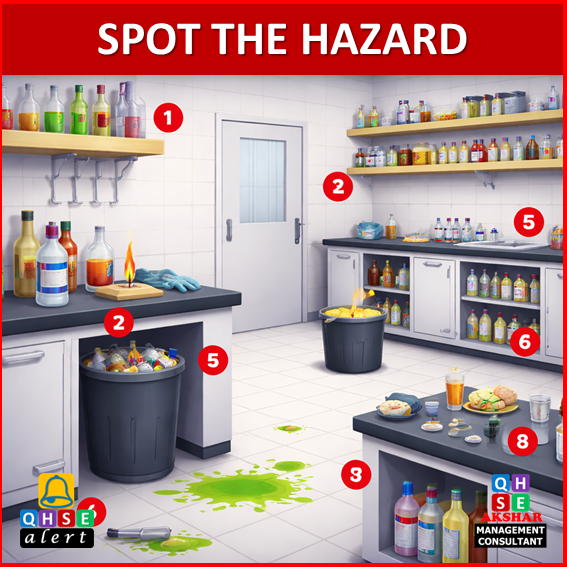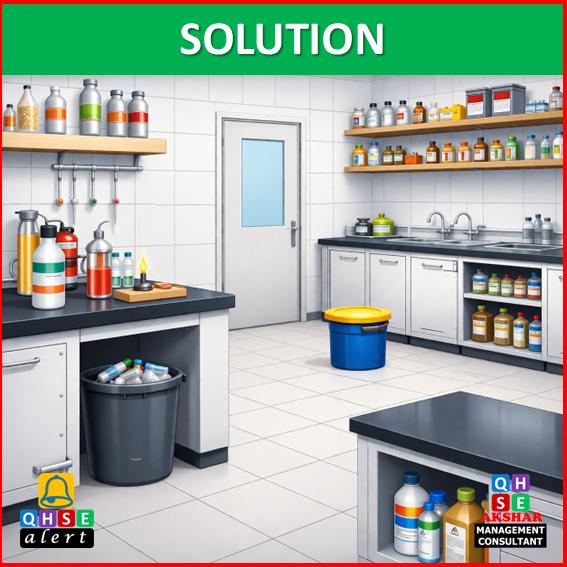
Spot the Hazard Workplace Scenarios
The spot the hazard workplace approach is an effective and engaging way to build safety awareness across all levels of an organization. Instead of relying only on theory, this method encourages employees to visually identify risks in real-life workplace scenarios. By actively spotting hazards, workers become more alert, proactive, and responsible for maintaining a safe working environment.
From construction sites to offices and manufacturing units, hazards can exist anywhere. Training your workforce to recognize unsafe conditions early can significantly reduce accidents, injuries, and operational disruptions.
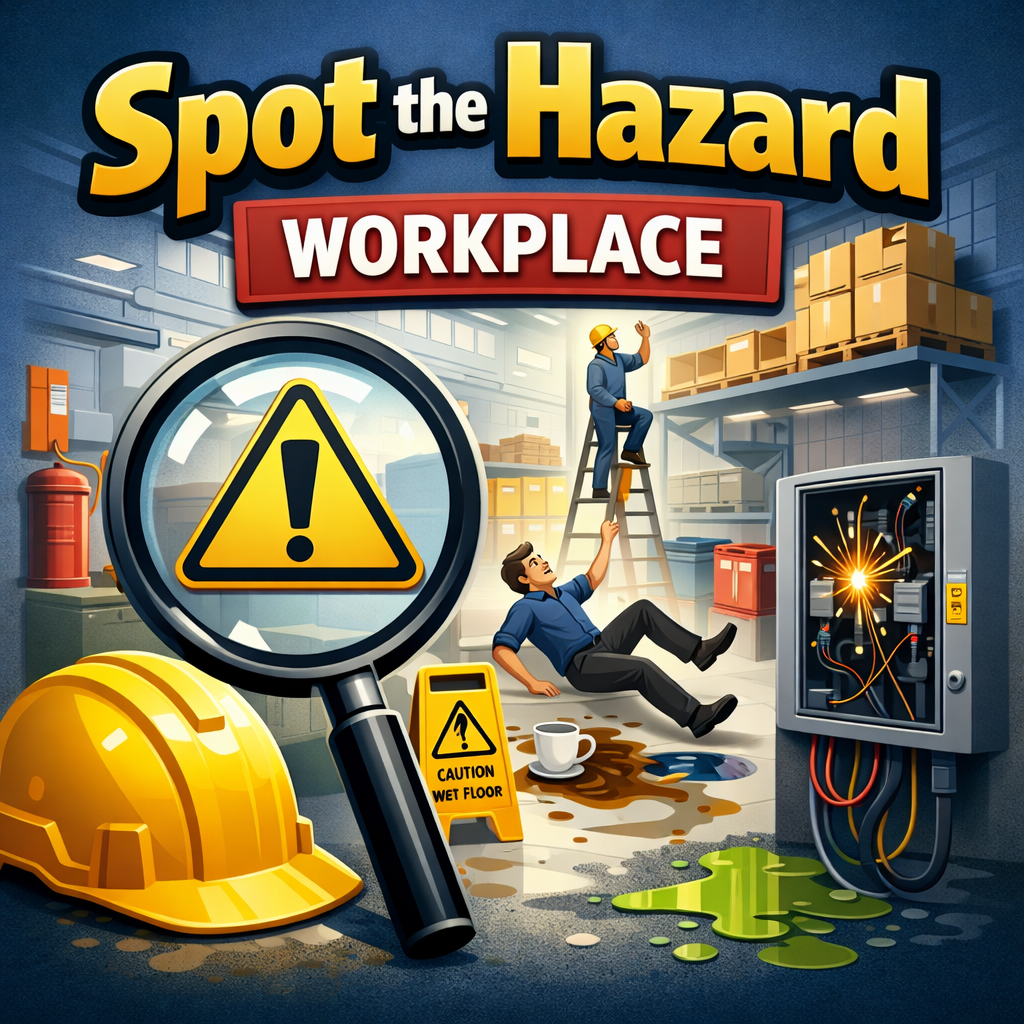
🔍 What is “Spot the Hazard Workplace”?
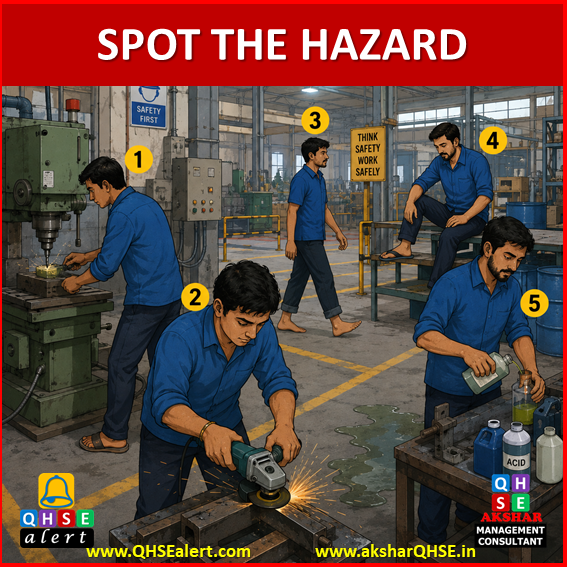
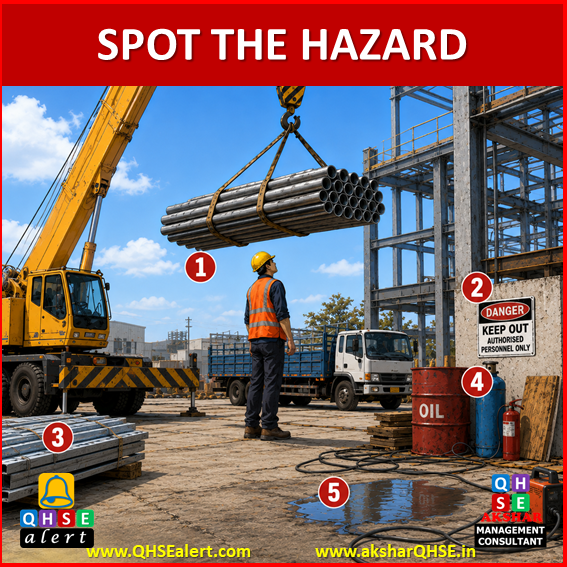
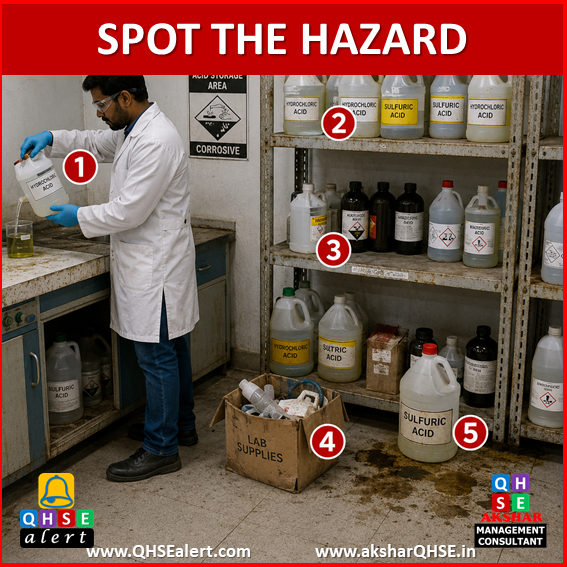
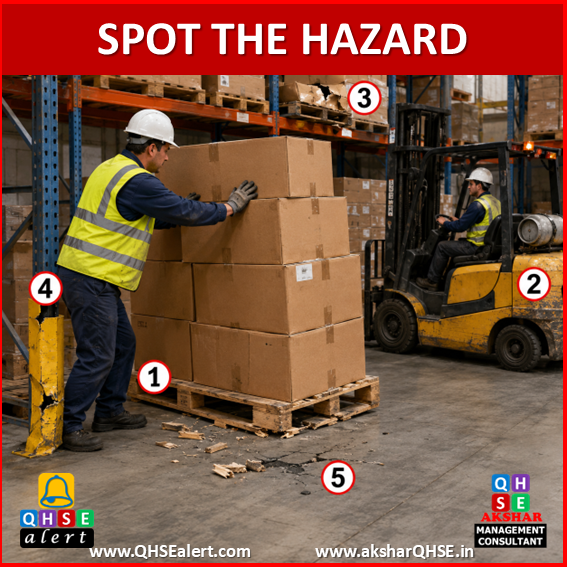
“Spot the Hazard” is a safety training technique where individuals are presented with workplace images or situations and asked to identify potential risks. These hazards may include unsafe behaviors, poor housekeeping, lack of personal protective equipment (PPE), or dangerous equipment usage.
This method is widely used in:
-
Safety inductions
-
Toolbox talks
-
E-learning modules
-
Safety audits and inspections
It transforms passive learning into active participation, making safety training more effective and memorable.
🧠 Why Spot the Hazard Training is Important
✔️ Improves Awareness
Employees become more observant and conscious of their surroundings.
✔️ Prevents Accidents
Early identification of hazards reduces the likelihood of incidents.
✔️ Builds Safety Culture
Encourages everyone to take responsibility for workplace safety.
✔️ Enhances Compliance
Supports adherence to safety regulations and standards.
✔️ Engaging Learning Method
Interactive and visual learning is more effective than traditional lectures.
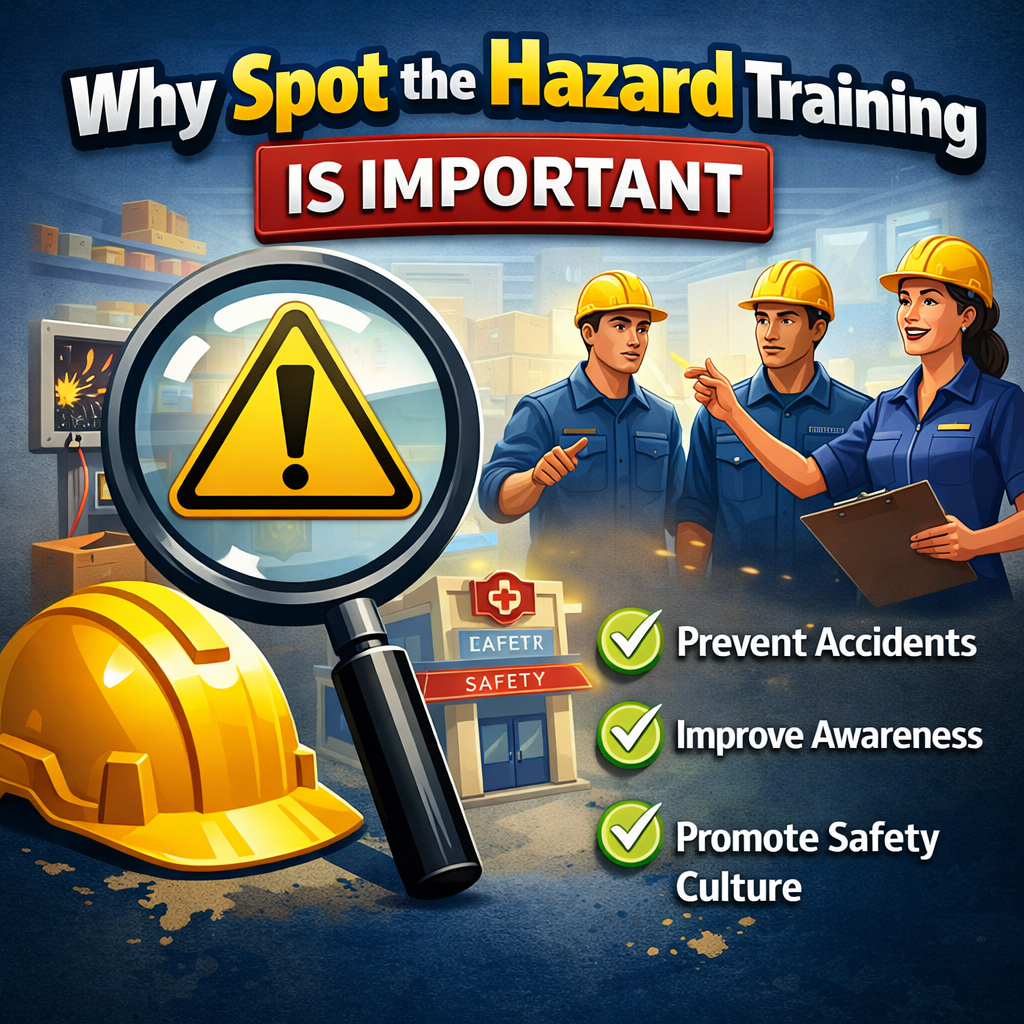
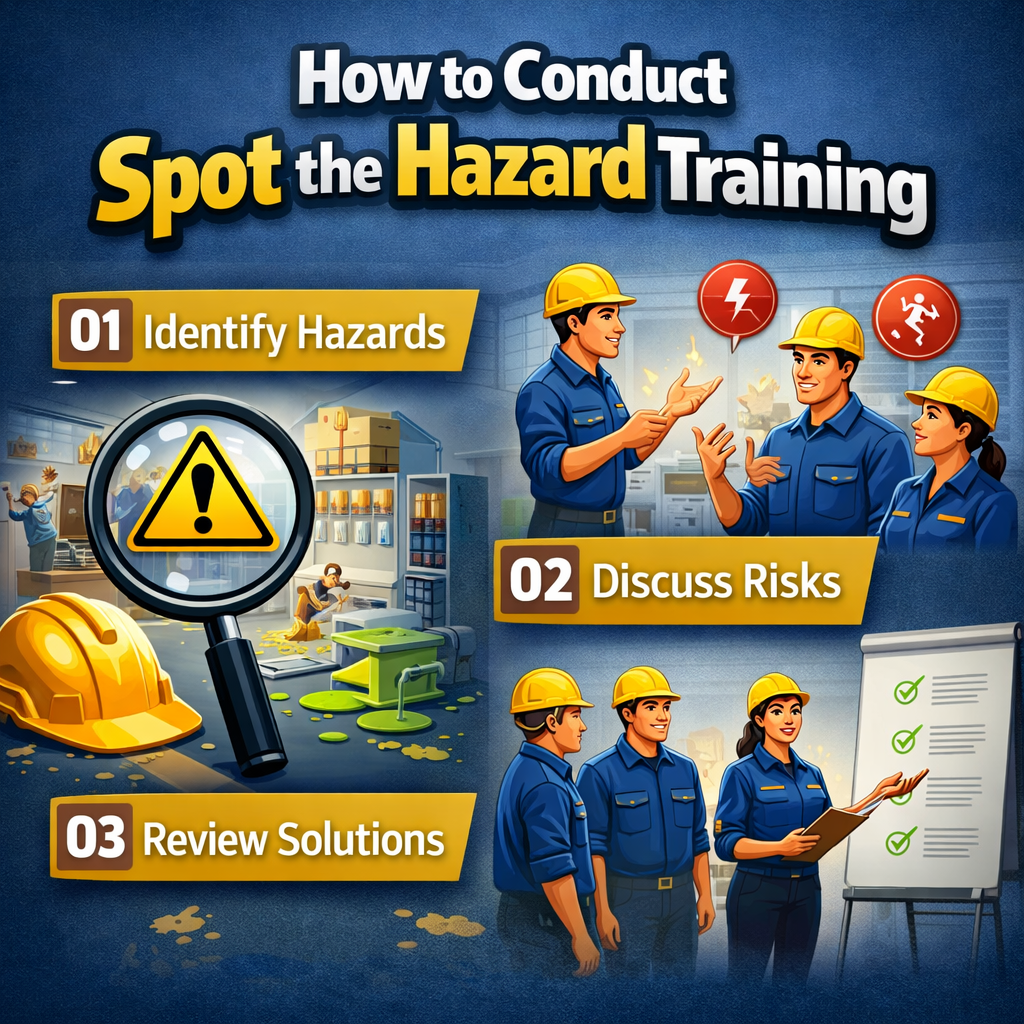
🛠️ How to Conduct Spot the Hazard Training
Step 1: Use Realistic Images
Use workplace-specific images that reflect actual working conditions.
Step 2: Encourage Participation
Ask employees to identify as many hazards as possible.
Step 3: Discuss Findings
Review each hazard and explain the associated risks.
Step 4: Provide Corrective Actions
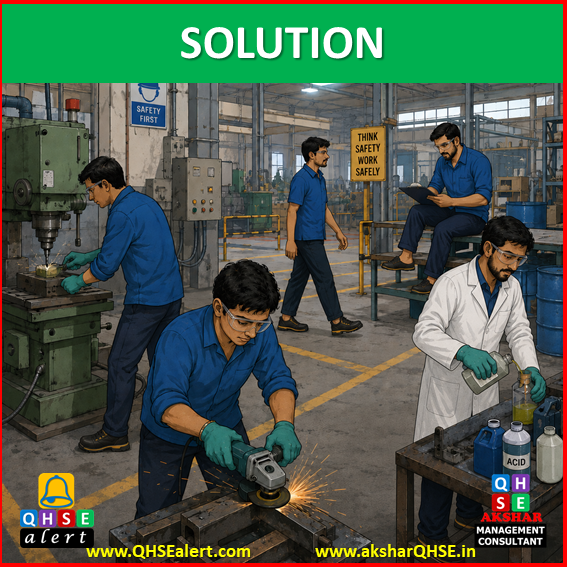
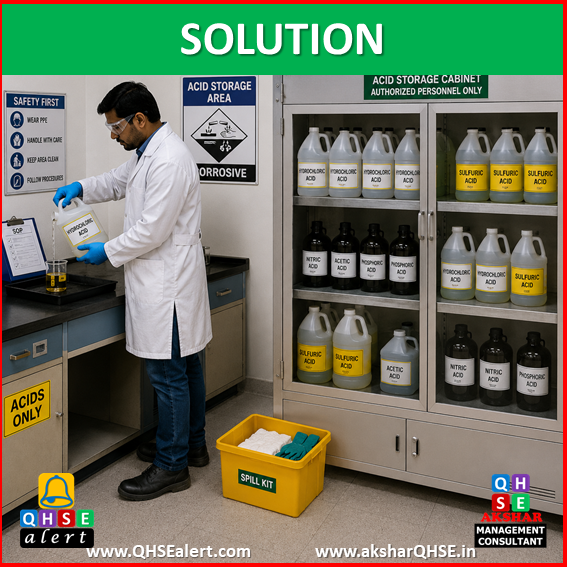
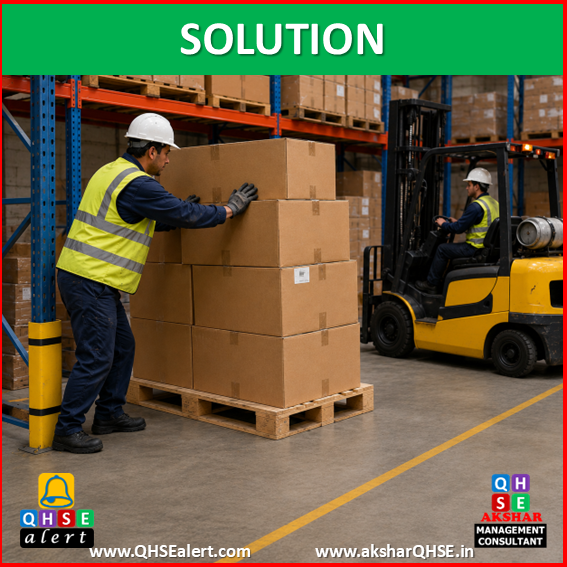
Explain how each hazard can be controlled or eliminated.
Step 5: Repeat Regularly
Make it a part of routine safety meetings and training sessions.
📊 Benefits for Organizations
- Reduced accident rates
- Improved employee engagement
- Better audit performance
- Stronger safety culture
- Increased productivity
💡 Best Practices for Effective Implementation
-
Use high-quality visuals
-
Keep sessions short and interactive
-
Include gamification (scores, rewards)
-
Update scenarios regularly
-
Align with company-specific risks