
Health & Safety Training Topics
Health and safety training topics helps professionals and organizations identify workplace hazards, assess risks, prevent incidents and improve safe working practices. Explore practical health and safety training topics such as PPE, risk assessment, HIRA, incident investigation, Behaviour-Based Safety, fire safety, work at height, confined space safety and workplace safety to support a safer working environment.
Explore Health and Safety Training Topics Beyond ISO Standards
Health and Safety are a broad professional discipline involving many practical workplace subjects. Professionals need knowledge and skills related to PPE, risk assessment, HIRA, incident investigation, Behaviour-Based Safety, fire safety, work at height, confined space safety and workplace safety
Our Health and safety training topics are designed to support professional development and help organizations improve workplace practices and employee competency.
Suitable training delivery options may include:
- Self-Paced Learning
- Online Training (Live Faculty)
- Classroom Training
- Corporate Training
- Customized Training
Health and Safety Training Topics
Health and Safety training focuses on preventing injuries and incidents, identifying workplace hazards, assessing risks and improving safe working practices.
Safety Awareness and Management Training
Safety Awareness
Develop awareness of workplace hazards, safe work practices and individual responsibilities for preventing accidents and injuries.
Safety Induction
Learn essential workplace safety rules, hazards, emergency procedures and safe working practices required for employees and contractors.
Safety Management
Understand the principles of safety management, including hazard identification, risk assessment, control measures and continuous improvement.
Safety Leadership
Develop leadership skills to demonstrate commitment, influence safe behaviors and promote continuous improvement in workplace safety.
Safety Culture
Understand how organizational values, attitudes and behaviors influence safety performance and learn how to build a positive safety culture.
Safety Motivation
Develop practical approaches to motivate employees to participate in safety activities, follow safe work practices and take responsibility for safety.
Hazard Identification and Risk Assessment Training
Hazard Identification
Learn systematic approaches to identifying workplace hazards and recognizing conditions, activities and situations that may cause harm.
Risk Assessment
Understand the process of evaluating risks by considering the likelihood and severity of potential consequences and selecting appropriate controls.
HIRA
Learn the Hazard Identification and Risk Assessment (HIRA) process for identifying hazards, assessing risks and implementing suitable control measures.
HAZID
Understand the Hazard Identification (HAZID) process for systematically identifying potential hazards during projects, processes and operational activities.
Job Safety Analysis
Learn how to break down a job into individual steps, identify associated hazards and define safe methods for completing the work.
Job Hazard Analysis
Understand the Job Hazard Analysis (JHA) process for identifying task-related hazards and implementing appropriate measures to control risks.
Task Risk Assessment
Learn how to assess risks associated with specific tasks by identifying hazards, evaluating potential consequences and applying effective controls.
Hierarchy of Controls
Understand the hierarchy of controls and learn how to select effective risk control measures, from elimination and substitution to PPE.
Incident and Accident Investigation Training
Incident Investigation
Learn a systematic approach to investigating workplace incidents, identifying causes and preventing similar incidents from recurring.
Accident Investigation
Understand the process of investigating accidents to determine what happened, why it happened and what actions are needed to prevent recurrence.
Near-Miss Reporting
Develop awareness of near-miss reporting and learn how timely reporting can help identify hazards and prevent future incidents.
Root Cause Analysis for Incidents
Learn techniques for identifying the underlying causes of incidents and developing effective actions to prevent recurrence.
5 Why Analysis
Understand how to use the 5 Why technique to systematically investigate a problem and identify its root cause.
Fishbone Analysis
Learn how to use Fishbone Analysis to identify and analyze possible causes of incidents and workplace problems.
Corrective Action Management
Understand how to develop, implement and monitor corrective actions to address identified causes and prevent recurrence.
Lessons Learned
Learn how to capture, communicate and apply lessons from incidents and experiences to improve workplace safety and prevent similar events.
PPE Training
Personal Protective Equipment Awareness
Develop awareness of the importance of Personal Protective Equipment (PPE) in reducing exposure to workplace hazards and preventing injuries.
PPE Selection
Learn how to select appropriate PPE based on identified hazards, risk levels, job requirements and applicable safety standards.
Correct Use of PPE
Understand how to correctly wear, adjust and use PPE to ensure effective protection during workplace activities.
PPE Inspection
Learn how to inspect PPE before use to identify damage, defects or deterioration that may affect its protective performance.
PPE Maintenance and Care
Understand proper cleaning, storage, maintenance and replacement practices to ensure PPE remains effective and fit for use.
PPE Limitations
Develop awareness of the limitations of PPE and understand why it should be used together with other appropriate risk control measures.
Behaviour-Based Safety Training
Behaviour-Based Safety
Learn the principles of Behaviour-Based Safety (BBS) and how positive safety behaviours can help prevent workplace incidents and injuries.
Behavioural Safety
Understand how employee attitudes, behaviours and workplace practices influence safety performance and accident prevention.
Safety Observation
Learn how to conduct safety observations, identify safe and unsafe behaviours and provide constructive feedback for improvement.
Human Factors in Safety
Understand how human capabilities, limitations, fatigue, stress and workplace conditions can influence safety performance and decision-making.
Safety Psychology
Learn the basic psychological factors that influence safety behaviour, risk perception, motivation and decision-making in the workplace.
Unsafe Acts and Unsafe Conditions
Understand the difference between unsafe acts and unsafe conditions and learn how to identify, report and control them to prevent incidents.
Work at Height and Access Safety Training
Work at Height Safety
Develop awareness of hazards associated with working at height and learn safe work practices to prevent falls, injuries and incidents.
Scaffold Safety
Learn essential safety requirements for scaffold selection, erection, inspection, access and use to minimize the risk of falls and scaffold-related incidents.
Ladder Safety
Understand safe ladder selection, inspection, positioning and use to prevent slips, falls and other ladder-related injuries.
Fall Prevention
Learn practical measures to eliminate or reduce fall hazards through safe planning, suitable access systems, barriers and effective work practices.
Fall Protection
Understand the use of fall protection systems, including harnesses, lifelines and anchorage points, when working at height.
Confined Space Safety Training
Confined Space Hazard Awareness
Develop awareness of confined space hazards, including toxic atmospheres, oxygen deficiency, engulfment and other risks associated with entry.
Atmospheric Hazards
Learn to recognize atmospheric hazards such as oxygen deficiency, toxic gases, flammable vapors and other dangerous conditions in confined spaces.
Confined Space Entry
Understand essential requirements for safe confined space entry, including risk assessment, entry permits, atmospheric testing and control measures.
Standby Person Responsibilities
Learn the responsibilities of standby personnel in monitoring entrants, maintaining communication and initiating emergency response when required.
Rescue Awareness
Develop awareness of confined space rescue requirements, emergency procedures, rescue equipment and the importance of trained rescue personnel.
Electrical Safety & LOTO Training
Electrical Accident Prevention
Develop awareness of common electrical hazards and learn practical measures to prevent electric shocks, burns, fires and other electrical accidents.
Electrical Work Safety
Learn safe practices for electrical work, including isolation, safe working procedures, appropriate PPE and control of electrical hazards.
Arc Flash Awareness
Understand the causes and hazards of arc flash incidents and learn basic precautions, safe work practices and protective measures to reduce exposure.
Energy Isolation
Develop awareness of energy isolation principles and learn how to safely isolate equipment from electrical, mechanical, hydraulic, pneumatic and other energy sources.
Lockout Tagout
Learn the basic Lockout Tagout (LOTO) process for isolating hazardous energy and preventing the unexpected start-up or release of stored energy.
LOTO Awareness
Develop awareness of LOTO requirements, responsibilities and safe practices for preventing injuries caused by unexpected equipment energization or energy release.
Fire Safety Training
Fire Safety Awareness
Develop awareness of common fire hazards, fire prevention practices and essential actions required to protect people, property and the workplace.
Fire Prevention
Learn practical measures to identify and control fire hazards, prevent ignition sources and reduce the likelihood of workplace fires.
Fire Risk Assessment
Understand how to identify fire hazards, assess associated risks and implement suitable measures to prevent and control fire incidents.
Fire Extinguisher Awareness
Learn about common types of fire extinguishers, their applications, limitations and basic principles for safe use during a fire emergency.
Fire Emergency Response
Develop awareness of appropriate actions during a fire emergency, including alarm activation, emergency communication, safe response and coordination.
Evacuation Procedures
Learn safe evacuation procedures, emergency routes, assembly points and responsibilities to support an orderly and effective evacuation.
Hot Work Safety Training
Hot Work Hazards
Develop awareness of hazards associated with hot work, including fire, explosion, fumes, sparks, heat and exposure to harmful substances.
Welding Safety
Learn safe welding practices, including control of electrical, fire, fumes, radiation and other hazards associated with welding activities.
Cutting Safety
Understand the hazards associated with cutting operations and learn safe practices for controlling sparks, heat, flying particles and fire risks.
Hot Work Precautions
Learn essential precautions for safely performing hot work, including area preparation, isolation, gas cylinder safety, fire watch and permits.
Fire Prevention During Hot Work
Develop practical knowledge of preventing fires during hot work by controlling combustible materials, ignition sources, sparks and surrounding fire hazards.
Excavation Safety Training
Excavation Hazards
Develop awareness of excavation hazards, including soil instability, falling materials, underground utilities, equipment movement and hazardous atmospheres.
Trench Safety
Learn essential safety practices for trench work, including protective systems, safe work methods, inspections and control of surrounding hazards.
Cave-In Prevention
Understand the causes of excavation cave-ins and learn preventive measures such as proper sloping, shoring, shielding and soil assessment.
Safe Access and Egress
Learn requirements for providing safe access and exit from excavations using suitable ladders, ramps, stairways and other approved means.
Lifting and Rigging Safety Training
Lifting Safety
Develop awareness of lifting hazards and learn safe practices for planning, conducting and monitoring lifting operations to prevent dropped loads and injuries.
Rigging Safety
Learn essential rigging practices, including load assessment, rigging equipment selection, inspection and safe methods for securing and moving loads.
Sling Safety
Understand the correct selection, inspection, handling and use of lifting slings to prevent sling failure, dropped loads and lifting incidents.
Lifting Plan Awareness
Learn the basic elements of a lifting plan, including load characteristics, lifting equipment, ground conditions, personnel responsibilities and control measures.
Crane Safety
Develop awareness of crane hazards and learn essential safety practices for crane operation, inspections, load handling, communication and exclusion zones.
Chemical Safety Training
Chemical Hazard Awareness
Develop awareness of chemical hazards, exposure routes, health effects and environmental risks associated with the use and handling of hazardous substances.
Safe Chemical Handling
Learn safe practices for receiving, handling, transferring and using chemicals while minimizing the risk of exposure, spills and incidents.
Chemical Storage
Understand safe chemical storage practices, including segregation, labeling, compatibility, ventilation and control of ignition and exposure hazards.
Safety Data Sheet Awareness
Learn how to read and use Safety Data Sheets (SDS) to understand chemical hazards, handling requirements, PPE, storage conditions and emergency measures.
Chemical Spill Response
Develop awareness of appropriate actions during chemical spills, including initial response, isolation, containment, reporting and emergency procedures.
Hazard Communication
Learn how to effectively communicate chemical hazards through labels, Safety Data Sheets, warning signs and workplace information to protect employees.
Industrial and Workplace Safety Training
Industrial Safety
Develop awareness of common industrial hazards and learn practical safety measures to prevent workplace accidents, injuries and unsafe conditions.
Process Safety
Understand the principles of process safety and learn how to identify and control hazards associated with industrial processes and operations.
Contractor Safety
Learn effective practices for managing contractor safety, including induction, risk assessment, safe work procedures, supervision and performance monitoring.
Construction Safety
Develop awareness of major construction hazards and learn essential controls for working safely around equipment, structures, materials and construction activities.
Warehouse Safety
Learn safe warehouse practices covering storage, material movement, housekeeping, traffic management and prevention of workplace injuries.
Forklift Safety
Understand safe forklift operation, inspection, load handling, pedestrian safety and workplace traffic controls to prevent collisions and overturning incidents.
Material Handling Safety
Learn safe methods for lifting, moving, storing and handling materials while reducing the risk of strains, crush injuries and other workplace incidents.
Office Safety
Develop awareness of common office hazards and learn safe practices related to ergonomics, electrical equipment, housekeeping, slips and emergency situations.
Road Safety
Develop awareness of road hazards and learn safe practices for drivers, pedestrians and other road users to reduce traffic-related incidents.
Defensive Driving
Learn defensive driving techniques that help drivers anticipate hazards, maintain control, manage risks and respond safely to changing road conditions.
Emergency Management Training
Emergency Preparedness
Develop awareness of emergency preparedness principles, including planning, resources, responsibilities and arrangements needed to respond effectively to workplace emergencies.
Emergency Response
Learn essential actions and response procedures for managing workplace emergencies, protecting people and minimizing damage to property and operations.
Fire Emergency Response
Understand appropriate actions during a fire emergency, including alarm activation, emergency communication, evacuation, firefighting and coordination.
Evacuation Procedures
Learn safe and organized evacuation procedures, including emergency routes, assembly points, headcounts and responsibilities during an evacuation.
Mock Drill Management
Learn how to plan, conduct and evaluate emergency mock drills to test preparedness, identify gaps and improve emergency response capabilities.
Disaster Management
Understand the basic principles of disaster preparedness, response, recovery and mitigation to reduce impacts on people, property and business operations.
Popular QHSE Training Topics
Quality
- Lean Training
- Kaizen Training
- 5S Training
- Root Cause Analysis Training
- 7 QC Tools Training
- Six Sigma Training
- Lean Six Sigma Training
Environment
- Environmental Law Training
- ESG Training
- Sustainability Training
- Carbon Footprint Training
- Waste Management Training
- Hazardous Waste Management Training
- Environmental Awareness Training
Health & Safety
- PPE Training
- Risk Assessment Training
- Incident Investigation Training
- Fire Safety Training
- Work at Height Training
- Confined Space Safety Training
- Industrial Safety Training
Who Should Attend QHSE Topics Training?
QHSE topics training may be suitable for professionals and organizations seeking to improve knowledge and competency in Quality, Environment and Health & Safety.
Suitable Participants
- QHSE Professionals
- Quality Professionals
- Safety Professionals
- Environmental Professionals
- HSE Officers
- QHSE Managers
- Quality Managers
- EHS Managers
- Engineers
- Supervisors
- Team Leaders
- Production Professionals
- Maintenance Professionals
- ESG Professionals
- Sustainability Professionals
- Factory Managers
- Facility Managers
- Students
- Fresh Graduates

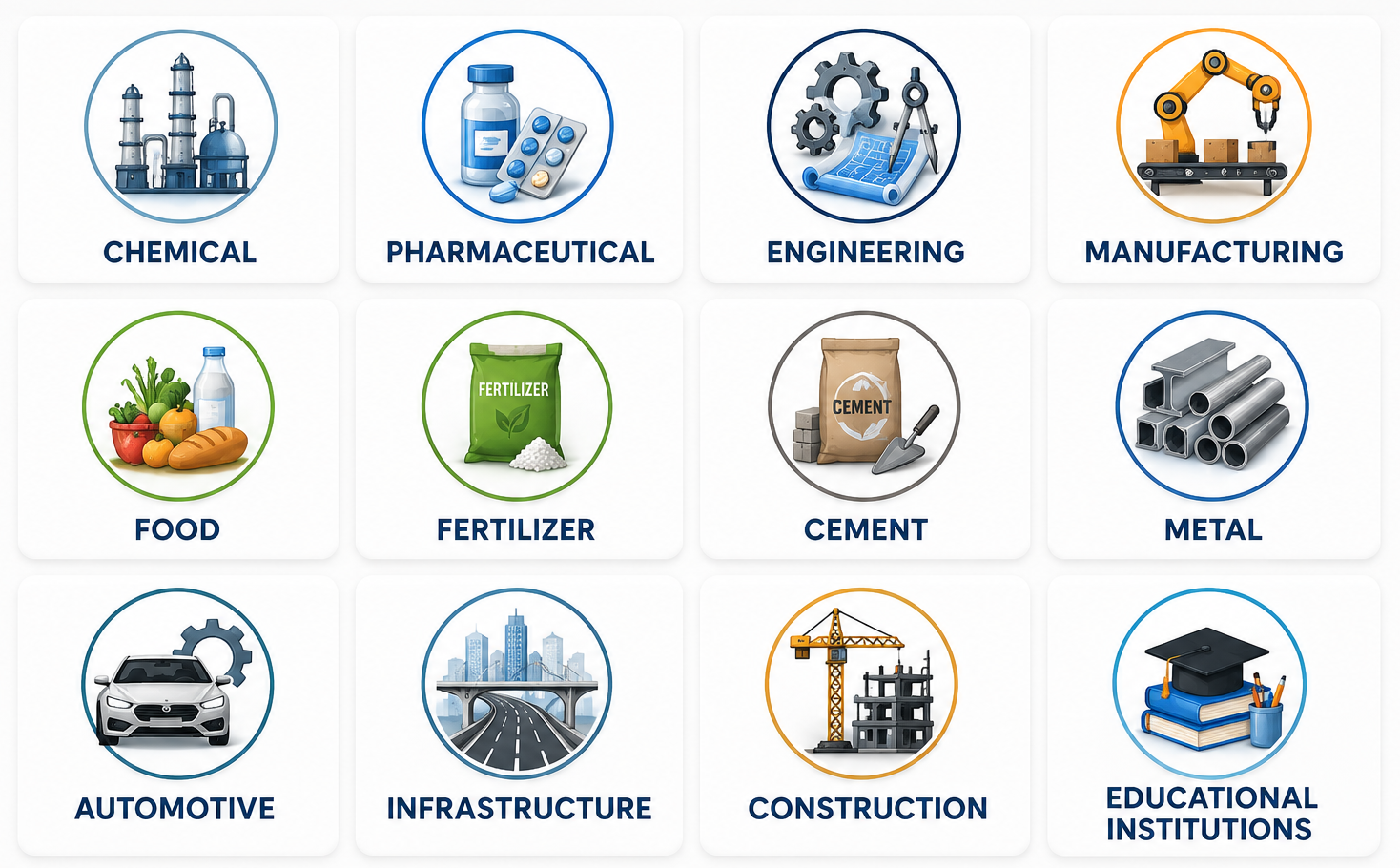
Industries That Can Benefit
- Manufacturing
- Engineering
- Chemical
- Pharmaceutical
- Food and Beverage
- Ceramic
- Automotive
- Metal
- Cement
- Fertilizer
- Construction
- Infrastructure
- Oil and Gas
- Power
- Logistics
- Warehousing
- Healthcare
- Laboratories
- Educational Institutions
- Service Organizations
Why Choose Akshar Management Consultant?
Practical Workplace Focus
Training is designed to support practical workplace understanding.
Wide Range of Topics
Training topics cover Quality, Environment and Health & Safety.
Industry-Relevant Learning
Content can be adapted to different industries and workplace activities.
Flexible Training Delivery
Training can be delivered through online, virtual, classroom and corporate formats.
Customized Corporate Training
Programs can be developed according to organizational requirements.
Experienced QHSE Perspective
Training content focuses on practical industry and workplace requirements.
Frequently Asked Questions About Health and Safety Training Topics
How do I choose the right health and safety training topic?
- The appropriate training topic depends on workplace activities, hazards, employee roles and safety responsibilities. Organizations may select training based on identified workplace risks and competency requirements.
Are health and safety training programs suitable for beginners?
- Yes. Many safety awareness and introductory training programs are suitable for employees and professionals with limited previous safety training experience.
Can health and safety training be customized for a specific workplace?
- Yes. Training can be customized according to workplace activities, hazards, employee roles, equipment, processes and organizational safety requirements.
Can the training include practical workplace examples?
- Yes. Depending on the training topic, practical examples, case studies, exercises, scenarios and workplace-related discussions may be included.
What training formats are available?
- Health and safety training may be delivered through online, live virtual, classroom or corporate training formats, depending on the selected topic and training requirements.
Is a certificate provided after completing health and safety training?
- Certificate availability depends on the selected training program and its completion requirements. Please refer to the specific training details before registration.
Can organizations combine multiple health and safety topics?
- Yes. Organizations can request customized training programs combining multiple topics based on workplace hazards, activities and employee competency requirements.
How can an organization arrange corporate health and safety training?
- Organizations can contact us with details such as the required training topics, number of participants, industry, workplace activities and preferred training format to discuss suitable training options.